
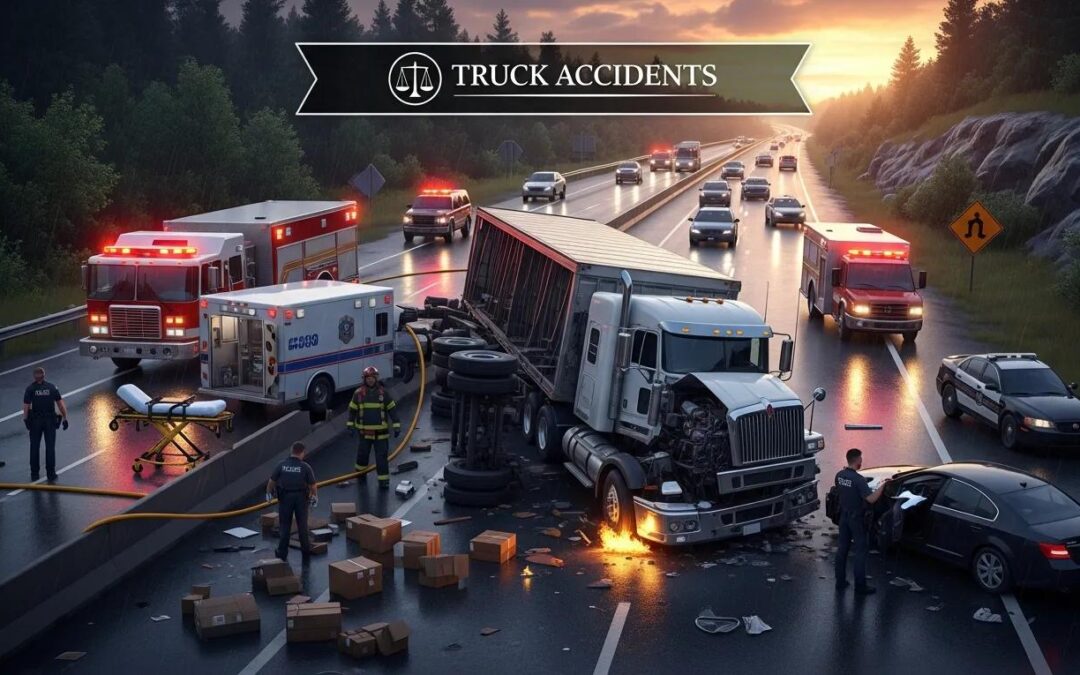
Truck Accident Claims: How to Build a Strong Injury Case
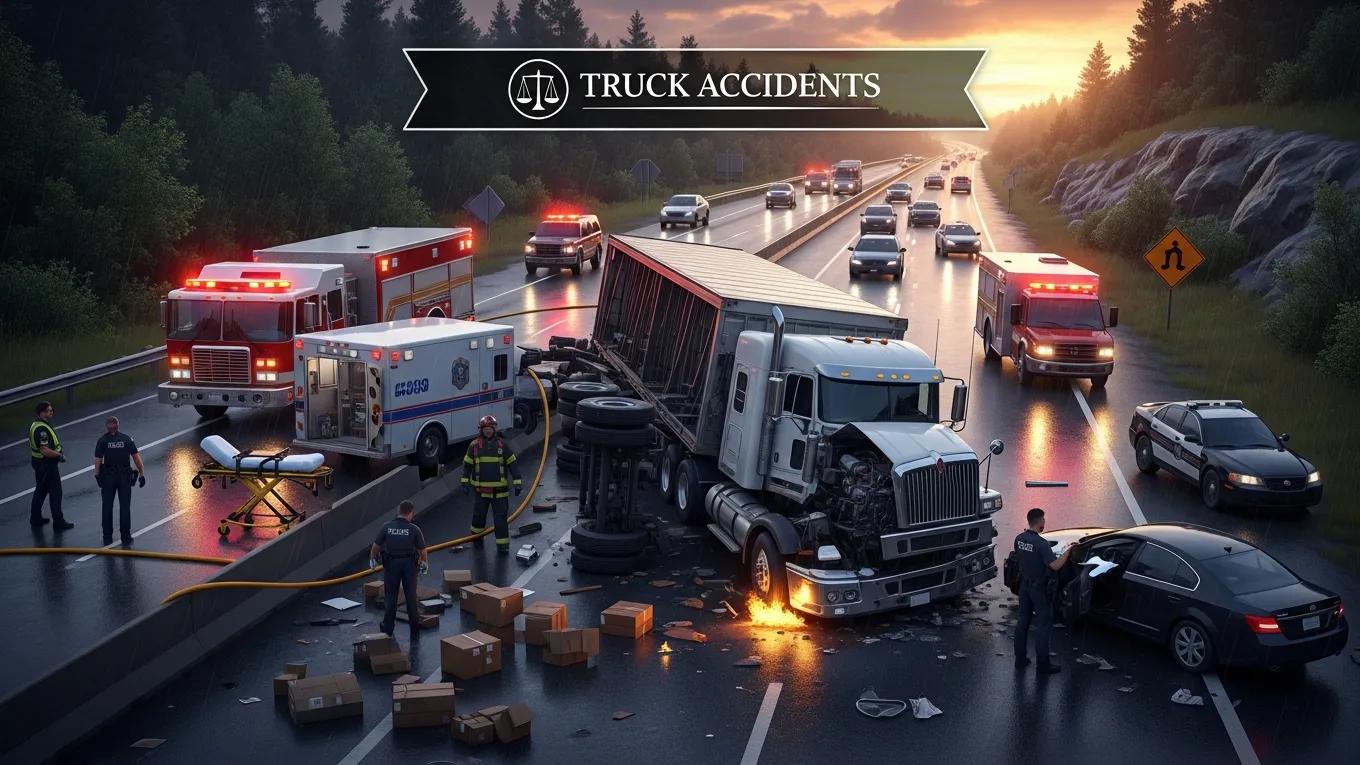
How to Build a Strong Truck Accident Injury Case
To find a truck accident lawyer near you, consider the following steps:
- Research Local Attorneys: Search for lawyers who handle truck collisions and personal injury matters in your area.
- Check Experience and Specialization: Prioritize attorneys with direct truck-accident experience and familiarity with federal and state trucking rules.
- Schedule Consultations: Take advantage of free consultations to review case strategy, fees, and expected timelines.
For building a strong injury compensation case in the context of truck accidents, consider these strategies:
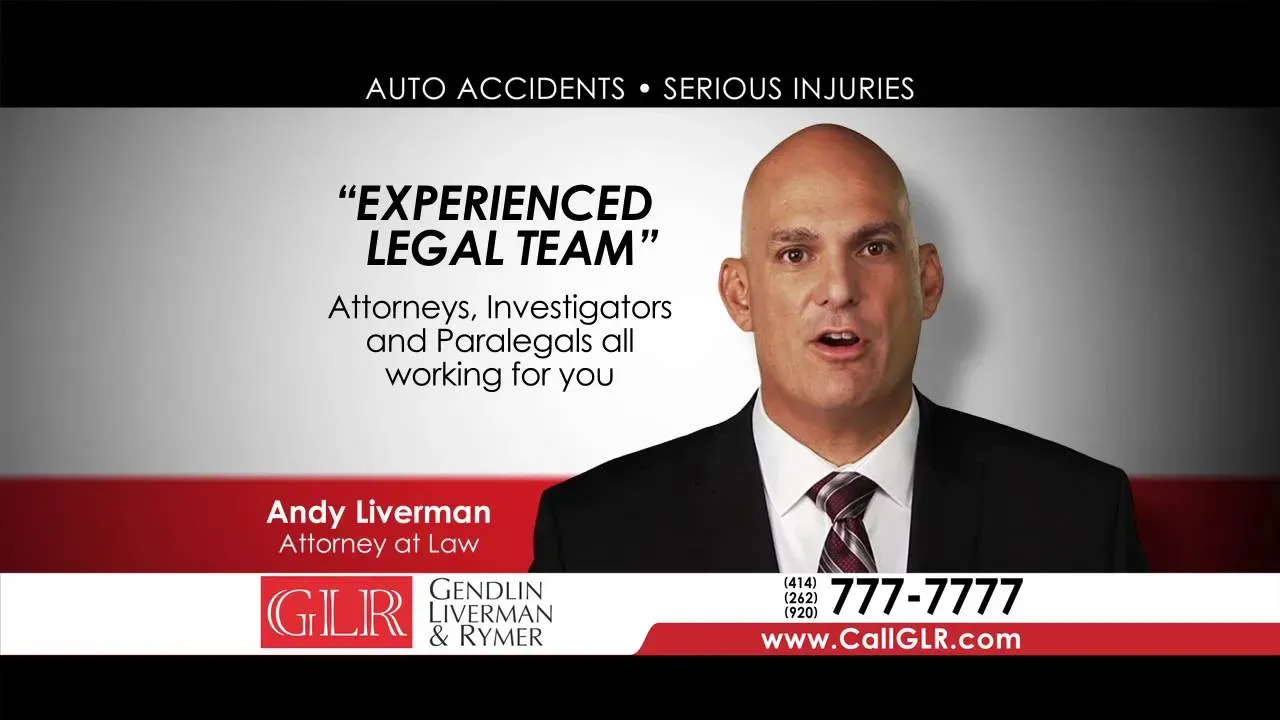
- Gather Evidence: Secure accident reports, scene photos, vehicle damage records, and witness contacts as soon as possible.
- Document Medical Treatment: Keep appointment notes, bills, prescriptions, and rehabilitation records to show treatment and costs.
- Negotiate with Insurance Companies: Let an experienced attorney handle insurer communications and settlement negotiations.
How Do You Prove Truck Accident Negligence Effectively?
Core Principles of Personal Injury Law
Making defendants take legal responsibility for accidents that cause harm, but only for those accidents, is the core principle of personal injury law today.
A century of change in personal injury law, SD Sugarman, 2000
- Duty of Care: Proof the driver owed a legal duty to drive safely.
- Breach of Duty: Evidence the driver violated that duty (speeding, distracted driving, hours-of-service violations).
- Causation: Link the breach directly to the crash and your injuries.
What Are the Key Elements to Establish Negligence in Truck Accident Claims?
- Duty of Care: The driver had a responsibility to operate the vehicle safely.
- Breach of Duty: The driver acted or failed to act in a way that violated that responsibility.
- Causation: The driver's breach caused the accident and resulting injuries.
Which Evidence Types Strengthen Negligence Proof?
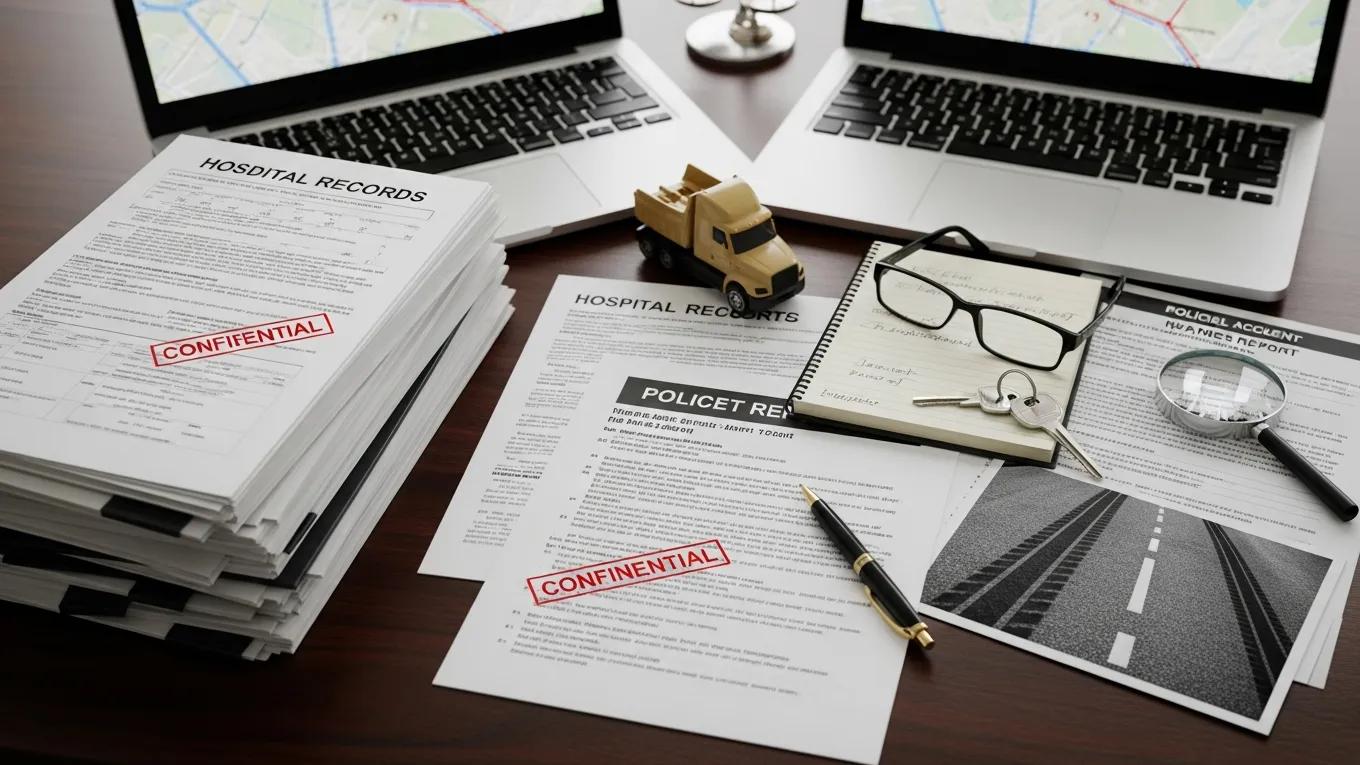
Evidentiary Issues in Truck Accident Litigation
This article analyzes six frequently addressed evidentiary issues that arise during trucking accident litigation: (1) prejudicial evidence; (2) statements made by truck drivers to law
Frequently Addressed Evidentiary Issues for the Trucking Accident Trial Lawyer, 2005
- Medical Records: Establish the extent of injury and treatment required.
- Accident Reports: Provide an official account and any citations.
- Witness Statements: Corroborate the sequence of events and fault.
What Is the Truck Accident Injury Claim Process?
- Seek Medical Attention: Prioritize health and create a treatment record.
- Gather Evidence: Collect photos, witness details, and official reports.
- Notify Your Insurance Company: Report the claim and follow policy notice rules.
What Are the Step-by-Step Procedures for Filing a Claim?
- Gather Relevant Information: Compile accident facts, medical records, and insurance details.
- Contact Your Insurance Company: Provide required information and follow policy instructions.
- Consult with an Attorney: A truck accident attorney can guide filings and preserve claims.
How Does GLR Injury Attorneys Facilitate the Claim Process?
- Initial Consultation: Free case review and legal options assessment.
- Investigation: Collects records, interviews witnesses, and secures necessary evidence.
- Negotiation: Advocates with insurers to seek fair settlement values.
What Types of Compensation Can You Expect After a Truck Accident?
Punitive Damages for Drunken Truck Driver Accidents
Harrel3 a lumber company’s drunken truck driver drove too fast and killed a pedestrian. The court held that the jury could add punitive damages to an award against the company.
Punitive Damages in Personal Injury Cases, 1960
- Medical Expenses: Hospital bills, surgery, therapy, and future care.
- Lost Wages: Earnings lost during recovery and reduced earning capacity.
- Pain and Suffering: Compensation for physical and emotional impacts.
Which Compensation Categories Are Common in Truck Accident Cases?
- Medical Expenses: Covers treatment and rehabilitation costs.
- Lost Wages: Reimburses income lost while recovering.
- Property Damage: Pays to repair or replace vehicles and belongings.
How Is Compensation Calculated and Maximized?
- Document Everything: Preserve bills, time-off records, and receipts.
- Negotiate with Insurers: Use counsel to counter low offers.
- Prepare for Litigation: Be ready to file suit if negotiations fail.
Why Choose the Best Truck Accident Attorneys for Your Case?
- Expertise in Trucking Regulations: Important for identifying corporate and regulatory liability.
- Negotiation Skills: Secures stronger settlements than handling claims alone.
- Success Rates: Past results indicate familiarity with case dynamics.
What Unique Strategies Do GLR Injury Attorneys Employ?
- Client-Centered Approach: Personalized guidance through each stage.
- Thorough Investigation: Detailed evidence collection and expert consultation.
- Aggressive Representation: Firm pursuit of full compensation.
How Do Client Testimonials Reflect Successful Compensation Outcomes?
- Successful Case Outcomes: Clients report favorable resolutions.
- Client Communication: Clear updates and responsive counsel matter.
- Overall Satisfaction: Many clients note relief at professional handling.